Sales Psychology
The Psychology Behind Emotional Selling
Selling is rarely about logic. It is about feeling. Understanding the emotional drivers behind a decision is what turns a pitch into a conversation someone wants to say yes to.
Read MoreSales Psychology
September 24, 2026 · 6 min read · By Malisa Migues
Before customers buy your product, they are deciding whether they believe you.
It is a quiet decision, made before you reach the offer, often before you finish your first sentence. The customer is not yet evaluating the product. They are evaluating the person who brought it to them. And that evaluation will shape everything that follows.
You can sell yourself before you ever sell the product — or you can lose the sale before you ever reach it.
A sale can begin long before you present the product. It can begin with your first words — the greeting, the tone, the way you make someone feel in the first ten seconds of the conversation.
Customers are not consciously analyzing these moments. But they are registering them. The warmth in your voice, the ease of your pace, whether you sound like you are talking with them or at them — all of it lands before the first feature is ever mentioned. By the time you reach the offer, the customer has already formed an impression. The product simply gets evaluated through it.
This is why the opening of a conversation matters as much as the close. The close is where the decision is named. The opening is where the conditions for that decision are set.
Credibility is not a list of qualifications. It is something the customer senses — in your steadiness, your honesty, your willingness to say what is true even when it is inconvenient.
A salesperson who oversells, who stretches every claim, who refuses to acknowledge a single limitation, may believe they are building confidence. To the customer, they are building doubt. Because confidence that has to be insisted on rarely reads as confidence at all. It reads as pressure.
Real credibility is quieter. It sounds like someone who knows their product well enough to be honest about it. It sounds like someone who is not afraid of a question they cannot answer perfectly. That kind of ease is contagious — and it is the opposite of the anxious certainty that loses sales.
You can say all the right words and still lose the sale if the customer does not trust the person saying them.
Because my work began with the voice, I notice this more than most: tone carries trust before language does.
The same sentence, delivered with a steady, relaxed voice, lands as confident. Delivered too fast, it lands as nervous. Delivered with a rising pitch at the end, it lands as a question — as if the speaker is asking permission to believe their own words. The customer does not parse this consciously. They simply feel more or less at ease, and that feeling becomes the background of every word that follows.
Slowing down, breathing lower, letting sentences settle instead of climb — these are not performance tricks. They are the sound of someone who is present, and presence is what makes a customer feel safe enough to listen.
The most underrated sales skill is listening — not the polite pause before your next point, but the kind of listening that makes a customer feel genuinely heard.
When you listen well, you learn what the customer actually cares about. You hear the concern beneath the question, the hesitation beneath the objection, the desire they have not yet said out loud. That information is the real material of the sale. You cannot speak to what matters if you never find out what matters.
But listening does something else, too. It signals respect. A customer who feels listened to begins to trust the listener — and trust, once present, does more to move a sale than any feature ever could.
People do not experience a sales conversation as a list of features. They experience the person delivering the message.
They remember how you made them feel — whether you seemed interested in them or only in the outcome, whether you were present or simply performing. Presence is the quality that makes a customer feel like more than a transaction. And a customer who feels like more than a transaction is far more likely to become one.
The product matters. The offer matters. But the person matters first. Sell yourself — with honesty, with presence, with a voice the customer can believe — and the product becomes far easier to sell.
The impression you create in the first moments of a conversation shapes the entire sale. Learning to build trust before you ever present the product can change the way customers respond to you.
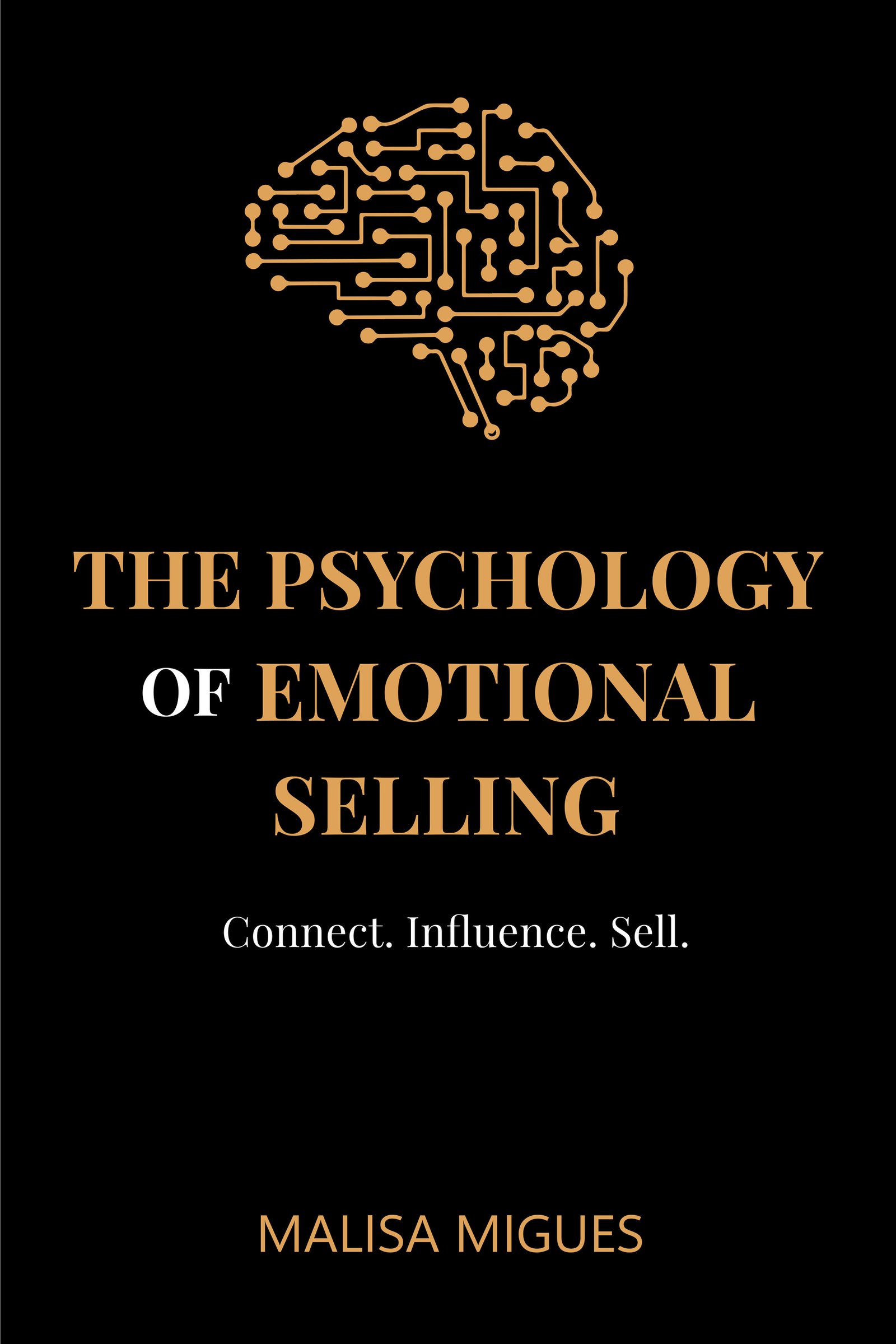
Explore these ideas more deeply in The Psychology of Emotional Selling by Malisa Migues.
Discover more about Malisa Migues and her work at malisamigues.com.
Written by
Malisa Migues
Author · Voice Artist · Communication Professional
Explore more from Malisa Migues
English
Connect. Influence. Sell.
Continue the journey — from the voice that persuades to the words that connect. A book to deepen everything you read here.
Keep Reading
Sales Psychology
Selling is rarely about logic. It is about feeling. Understanding the emotional drivers behind a decision is what turns a pitch into a conversation someone wants to say yes to.
Read MoreSales Psychology
The decision is emotional; the explanation is rational. Understanding this gap is the key to speaking to the part of your customer that actually decides.
Read More