Sales Psychology
Why People Buy Emotionally and Justify Logically
The decision is emotional; the explanation is rational. Understanding this gap is the key to speaking to the part of your customer that actually decides.
Read MoreSales Psychology
August 20, 2026 · 6 min read · By Malisa Migues
Every sale begins long before the offer is made. It begins in the emotional landscape of the person in front of you — what they want, what they fear, and what they hope the purchase will change. The offer is only the surface. The real conversation is happening underneath, in the place where decisions are actually made.
For years I worked in sales before I wrote about it, and the single clearest lesson was this: people do not buy because they have been convinced. They buy because they have been moved. Logic builds the case, but emotion closes it.
When someone is considering a purchase, a handful of emotional currents are almost always present: the desire for trust, the longing for belonging, the pull of status, the need for safety, the hope of transformation. These are not abstract ideas — they are the real reasons a person reaches for their wallet.
A buyer who feels understood is already halfway to yes. A buyer who feels unseen will negotiate forever and still walk away. This is why the best salespeople spend more time listening than talking — they are not gathering objections, they are locating the emotion. They want to know what this purchase means to the person, not just what it does.
Once you understand the emotional driver, the conversation changes. You are no longer listing features; you are speaking to a hope or a fear. You are connecting what you offer to what the person actually cares about. That connection is what moves someone from interested to committed.
A list of features appeals to the rational mind, and the rational mind is excellent at finding reasons to delay. A story does something different. It invites the listener into a scene, lets them feel the before and the after, and lets them imagine themselves inside the change.
This is why a well-told story outperforms a specification sheet. The story creates an emotional bridge between the product and the person. It does not say "this is what it does" — it says "this is what could change for you." And change is what every buyer is secretly shopping for, whether they name it or not.
The story does not need to be dramatic. Often the most powerful one is small and specific: a customer who felt relieved, a problem that finally went quiet, a morning that started differently because of what they bought. Specificity is what makes a story believable — and believability is what makes it move people.
Emotional selling only works when it is honest. The moment a buyer senses that the emotion is being manufactured — that the story is invented, the concern is performed, the urgency is fake — the trust collapses, and no technique can rebuild it quickly.
The line between influence and manipulation is not complicated. Influence speaks a truth that serves the buyer. Manipulation invents a feeling that serves the seller. One builds a relationship that outlasts the sale; the other makes a single transaction and burns the bridge behind it.
If you want to sell emotionally and sleep well, sell what you genuinely believe in, to people it can genuinely help, and tell the truth about why. Emotion does not need to be exaggerated to work. It only needs to be real.
Written by
Malisa Migues
Author · Voice Artist · Communication Professional
Explore more from Malisa Migues
English
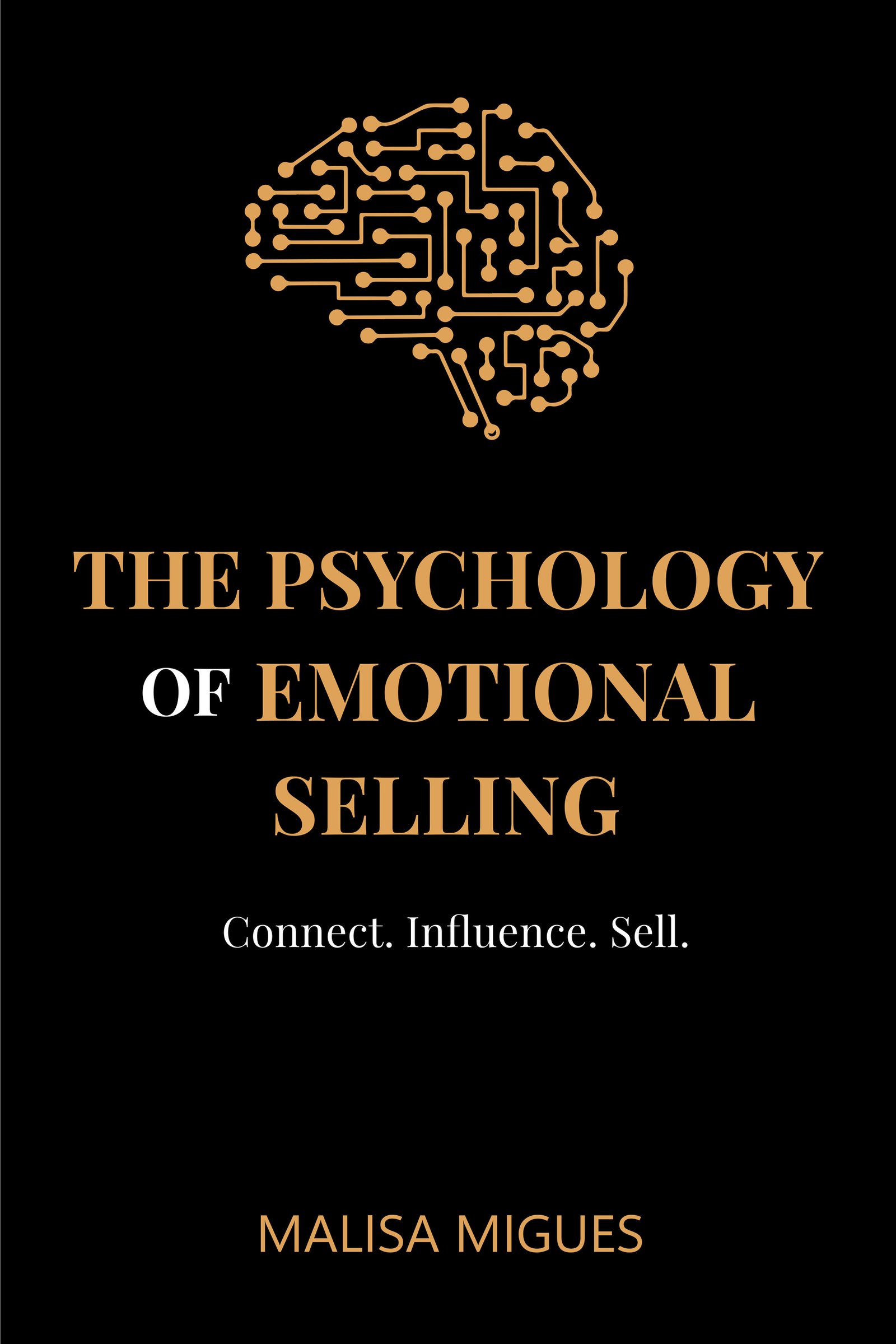
Connect. Influence. Sell.
Continue the journey — from the voice that persuades to the words that connect. A book to deepen everything you read here.
Keep Reading
Sales Psychology
The decision is emotional; the explanation is rational. Understanding this gap is the key to speaking to the part of your customer that actually decides.
Read MoreSales Psychology
A customer can understand every feature and still walk away. The real decision happens beneath the logic — in trust, certainty, perceived value, and desire.
Read More