Sales Psychology
The Psychology Behind Emotional Selling
Selling is rarely about logic. It is about feeling. Understanding the emotional drivers behind a decision is what turns a pitch into a conversation someone wants to say yes to.
Read MoreSales Psychology
September 25, 2026 · 6 min read · By Malisa Migues
“It’s too expensive.”
Few words stop a sale faster. And few words are more easily misunderstood.
The instinct of most salespeople is to treat a price objection as a price problem — to reach for a discount, a payment plan, or a sharper justification of value. Sometimes that is exactly the right response. Sometimes price really is the problem. A customer may genuinely not have the budget, or a competitor may genuinely offer a better deal for the same thing.
But not every price objection is about price.
Price may be what the customer talks about. Emotion may be what is actually stopping the sale.
A price objection is often the safest objection to give. It is objective, impersonal, and hard to argue with — which makes it an easy way to say no without having to explain the real reason.
Behind that safe objection, there may be something else entirely: uncertainty about whether the solution is right, doubt about whether the promise will hold, a sense that the risk is greater than the reward, or simply a feeling that the value has not been made real yet. The customer cannot always name these feelings, so they name the price instead.
This is why dropping the price often does not close the sale. If the real obstacle was trust, a discount does not build trust. If the real obstacle was uncertainty about fit, a lower price does not make the fit any clearer. You have addressed the surface and left the substance untouched.
A few of the emotions that can hide behind a price objection:
Uncertainty about value. The customer is not sure the benefit is real, or real enough for them. The price feels high because the value still feels abstract.
Doubt about trust. The customer is not yet convinced that you, or the product, will deliver what was promised. The price feels high because the risk feels high.
Confusion about fit. The customer is not certain this is the right solution for their situation. The price feels high because they are not yet sure they are buying the right thing.
Absence of urgency. The customer can see the value in theory, but does not feel it today. The price feels high because the cost is now and the benefit is later.
None of these are solved by a discount. They are solved by understanding — by identifying which feeling is actually in the room and speaking to that instead.
Before trying to overcome an objection, understand the emotion behind it.
An objection is not always a rejection. Sometimes it is a request for more certainty. The customer is not saying no. They are saying, “I am not sure yet — help me be sure.” That is a completely different conversation, and it deserves a completely different response.
The first move is rarely an answer. It is a question — asked gently, without pressure — that invites the customer to say more. “When you say it feels expensive, what part of the decision is weighing on you most?” A question like that does not push. It opens. And in the opening, the real concern often surfaces.
Once you know what the objection is actually about, the response becomes clear. If it is value, make the value concrete. If it is trust, offer proof. If it is fit, clarify the match. If it is urgency, connect the decision to what they are tired of carrying today.
This deserves saying plainly: sometimes a price objection is exactly what it appears to be. The customer has the wrong product in front of them, or the right product at the wrong moment, or a budget that simply will not stretch. In those cases, the honest answer is not to manufacture emotion where there is none. It is to recognize the situation, respect it, and — if the fit is wrong — say so.
Emotional selling is not about pretending every objection hides a deeper feeling. It is about being willing to look for one before assuming the price is all there is.
A customer’s objection often carries more information than the words they choose. Learning to hear what is actually being communicated can change the way you handle every objection.
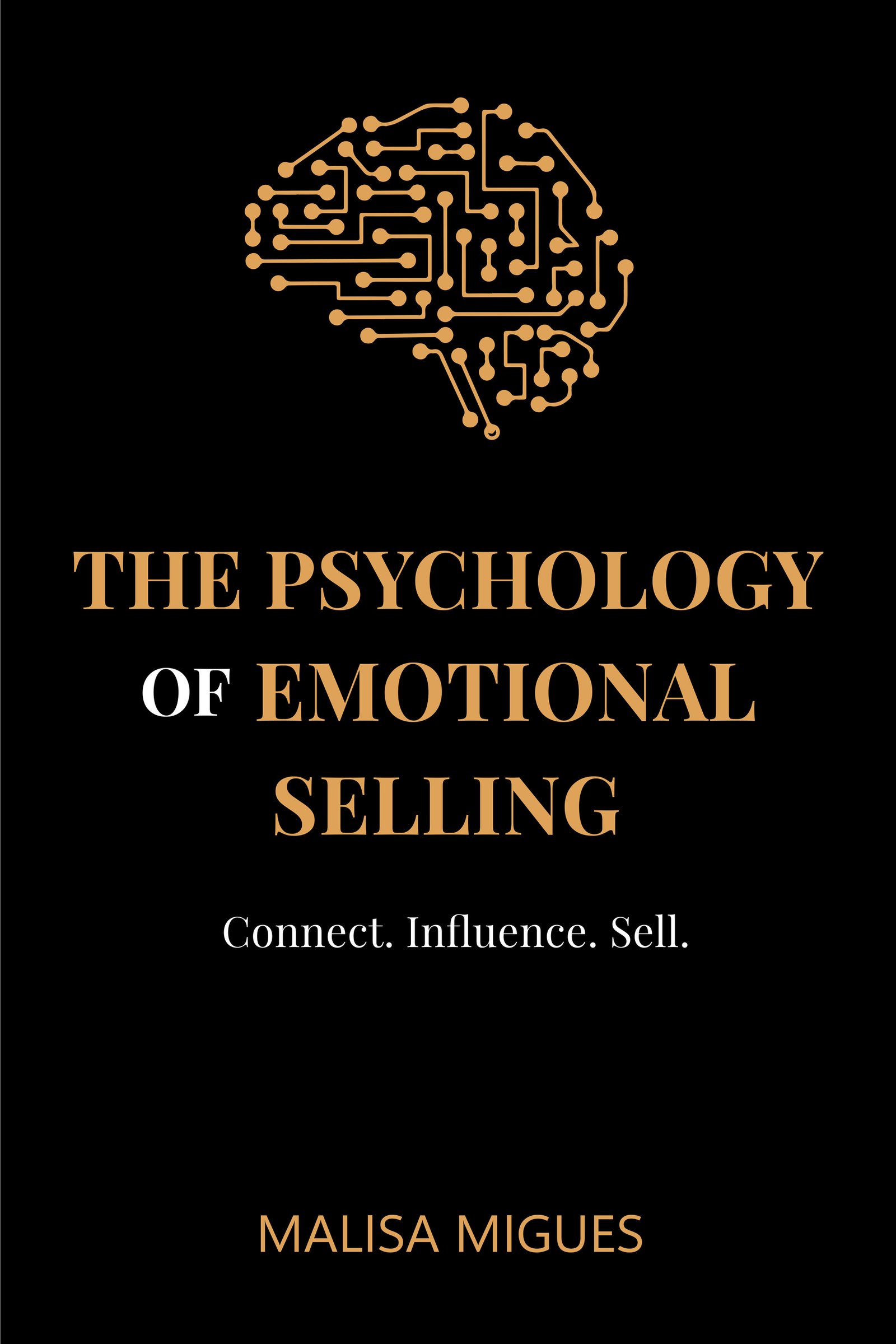
Explore these ideas more deeply in The Psychology of Emotional Selling by Malisa Migues.
Discover more about Malisa Migues and her work at malisamigues.com.
Written by
Malisa Migues
Author · Voice Artist · Communication Professional
Explore more from Malisa Migues
English
Connect. Influence. Sell.
Continue the journey — from the voice that persuades to the words that connect. A book to deepen everything you read here.
Keep Reading
Sales Psychology
Selling is rarely about logic. It is about feeling. Understanding the emotional drivers behind a decision is what turns a pitch into a conversation someone wants to say yes to.
Read MoreSales Psychology
The decision is emotional; the explanation is rational. Understanding this gap is the key to speaking to the part of your customer that actually decides.
Read More