Sales Psychology
The Psychology Behind Emotional Selling
Selling is rarely about logic. It is about feeling. Understanding the emotional drivers behind a decision is what turns a pitch into a conversation someone wants to say yes to.
Read MoreSales Psychology
November 19, 2026 · 7 min read · By Malisa Migues
Have you ever presented your product clearly, answered every question, and still watched the customer thank you and walk away without buying?
It is one of the most common frustrations in sales. You explained everything well. The price was fair. The logic was flawless. And the sale never happened.
Emotional selling explains why. People do not buy with logic; they buy with emotion and then justify the decision with reasons. Once you understand this, you stop pushing arguments and start connecting with what the customer actually feels.
Imagine two salespeople offering the exact same product. One closes the sale; the other does not. The difference is almost never the product. It is the emotion each one creates in the conversation.
The brain decides with emotion first and then looks for reasons to defend the decision. That is why a customer can understand every feature and still walk away: logic builds the case, but emotion is what closes it.
This does not mean deceiving or pressuring. It means speaking to the part of the person that actually decides — the one looking for trust, relief, belonging, or transformation.
Before buying, your customer is moved by emotional currents they rarely name out loud:
Trust: Do I believe this person and what they offer?
Certainty: Does this feel right for me?
Perceived value: Is what I receive worth more to me than what I give?
Belonging: Does this product bring me closer to the person or circle I want?
Transformation: Will this change something I am tired of carrying?
When you identify which of these emotions is at play, you stop selling features and start selling meaning.
Emotional selling is neither a gift nor a trick. It is a skill you practice. Here are five concrete techniques, each with a phrase you can adapt for your next conversation.
The need is what the customer says first; the desire is what lies beneath. Ask about it before you offer anything.
Example: “Before I show you options, tell me: if this problem were already solved, what would change in your day-to-day?”
Benefits inform; stories make people feel. A brief, concrete story creates an emotional bridge that no specification sheet can.
Example: “A client told me that after two weeks of using it, she stopped arriving exhausted to dinner with her family. That was what mattered most to her.”
Mentioning a possible objection before the customer raises it shows honesty and takes the power out of the doubt.
Example: “You may be wondering whether the price is worth it. It is a fair question — let’s talk about what makes it valuable for someone in your situation.”
Do not sell what the product does; sell who the customer becomes by using it.
Example: “This is not just a course; it is the version of you that makes decisions with more confidence every Monday.”
After presenting the price, do not fill every second with words. Comfortable silence conveys confidence and gives the customer room to decide.
Example: “The price is X. Take all the time you need.” And then, wait.
Emotion travels through the voice before it travels through the words. You can say the perfect sentence in a tense or rushed tone, and the customer will feel distrust without knowing why.
A steady, unhurried, warm tone communicates confidence. Slowing down at the start, letting sentences settle instead of climb, and breathing low before you speak give your voice a presence the customer reads as trust.
Remember: the customer does not only hear what you say. They hear how you say it. And often, the how decides more than the what.
No. Manipulation manufactures false emotions to serve the seller. Ethical emotional selling recognizes the customer’s real emotions and speaks to them honestly. The difference is intent: helping them decide, not deciding for them.
Yes. Even in technical decisions, there is a person who needs to feel trust and certainty before approving. Logic supports the decision; emotion moves it. Speak to both, in that order.
Start by listening more and talking less. Ask about the customer’s desire, tell a real story, and speak in a calm tone. Emotional selling is, above all, human communication.
Emotional selling is not a trick to push the customer. It is understanding how a person actually decides and guiding them with honesty. When you connect with the right emotion, logic lines up on its own, and the sale stops feeling like pressure.
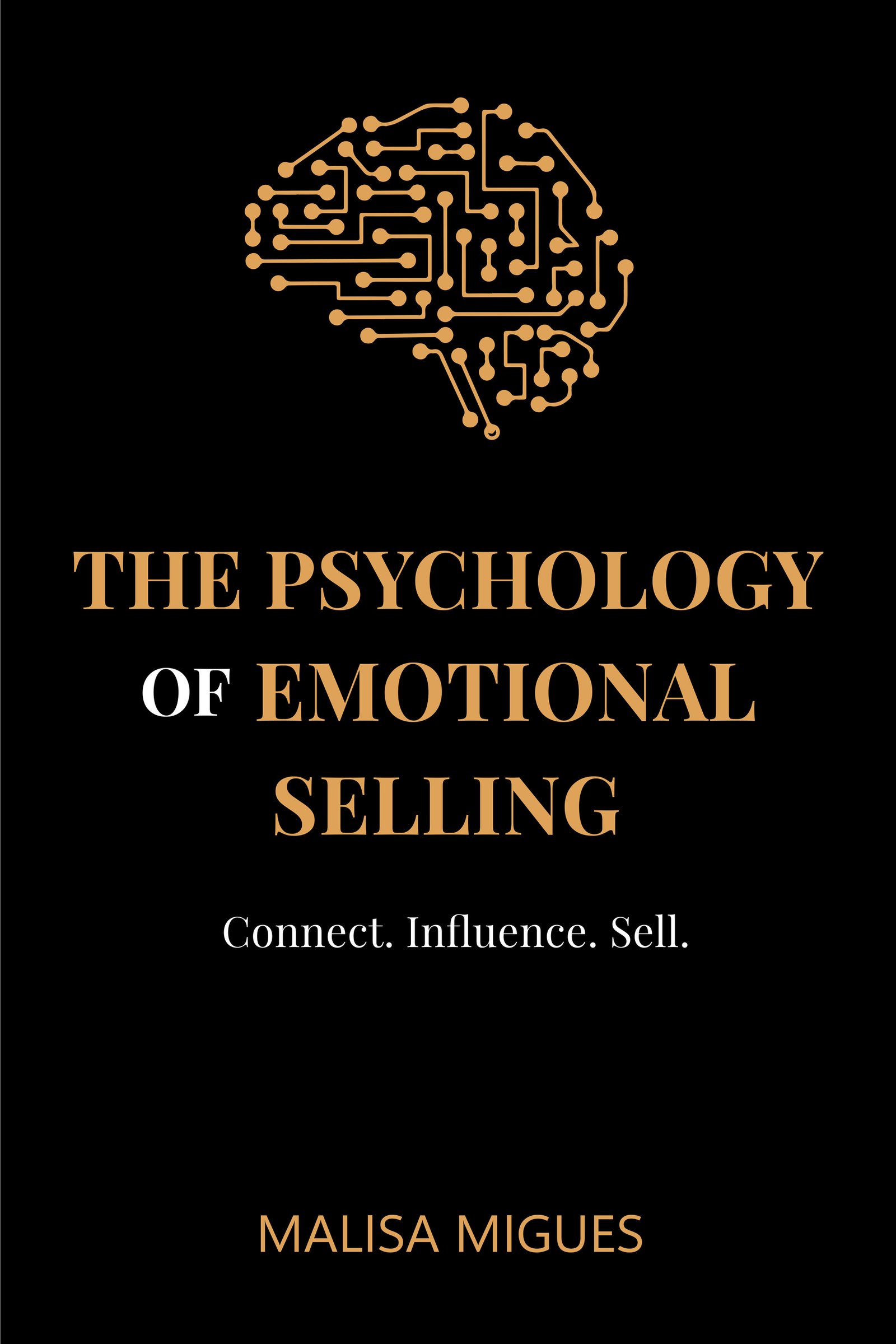
If you want to go deeper into these ideas, I invite you to read The Psychology of Emotional Selling, where I explore in depth how emotion, voice, and trust combine to sell with integrity. Find it on Amazon: [ENLACE AMAZON].
And if this article resonated with you, subscribe to Letters from Malisa, my newsletter, where I share reflections on voice, communication, and the art of selling with emotion. Words have power. Your voice has even more.
Malisa Migues
Author · Voice Artist · Communication Professional
Written by
Malisa Migues
Author · Voice Artist · Communication Professional
Explore more from Malisa Migues
English
Connect. Influence. Sell.
Continue the journey — from the voice that persuades to the words that connect. A book to deepen everything you read here.
Keep Reading
Sales Psychology
Selling is rarely about logic. It is about feeling. Understanding the emotional drivers behind a decision is what turns a pitch into a conversation someone wants to say yes to.
Read MoreSales Psychology
The decision is emotional; the explanation is rational. Understanding this gap is the key to speaking to the part of your customer that actually decides.
Read More