Sales Psychology
The Psychology Behind Emotional Selling
Selling is rarely about logic. It is about feeling. Understanding the emotional drivers behind a decision is what turns a pitch into a conversation someone wants to say yes to.
Read MoreSales Psychology
September 26, 2026 · 6 min read · By Malisa Migues
“Emotional selling” is a phrase that makes some people uncomfortable — and for understandable reasons. It sounds, at first, like a way of using feelings to get what you want.
That is not what emotional selling is. Emotional selling is not about manipulating emotions. It is about understanding the emotions already present in a buying decision.
The distinction matters, because the line between influence and manipulation is real, and crossing it costs more than a sale. It costs trust, reputation, and the chance that a customer ever comes back.
Both influence and manipulation work with emotion. The difference is who the emotion serves.
Manipulation manufactures a feeling that serves the seller — urgency that does not exist, fear that is exaggerated, a need that was never there. It pushes the customer toward a decision that is good for the person making it, often at the customer’s expense.
Ethical emotional selling does the opposite. It recognizes the feeling that is already in the room — the hope, the hesitation, the concern — and speaks to it honestly. It does not create a feeling to exploit. It responds to a feeling that is real.
The test is simple: does this conversation help the customer make a better decision for themselves, or does it help me make a decision for them? One is selling. The other is using.
You cannot understand an emotion you have not heard. This is why listening is the first skill of ethical emotional selling — not listening as a pause before your rebuttal, but listening as a genuine attempt to learn what this customer actually needs.
The most powerful sales question may not be “How do I convince them?” but “What does this customer need to feel confident enough to decide?”
That question changes everything. It moves the focus from your outcome to their situation. It turns the conversation from a pitch into an exchange. And it gives you the only information that lets you sell ethically: what would actually help this person.
Empathy, in this context, is not a technique you perform. It is the willingness to see the decision from the customer’s side — to understand what they are risking, what they are hoping for, what would make them feel safe saying yes.
When empathy is real, it shows up in small ways: the way you ask a question, the way you acknowledge a concern instead of brushing past it, the way you are willing to say “this may not be the right fit” when it is true. These moments build something no script can manufacture — the sense that the person across from them is on their side.
You can say all the right words and still lose the sale if the customer does not trust the person saying them. Empathy is what builds that trust, and it cannot be faked for long.
Ethical emotional selling relies on clarity, not pressure. The customer should leave the conversation understanding more about their own situation, not less — clearer about what they need, clearer about whether this offer meets it, clearer about what they are choosing.
Pressure obscures. Clarity reveals. A customer who feels pressured may say yes once, and then spend the next day looking for a way out. A customer who feels clear makes a decision they can stand behind — and that is the only kind of decision that leads to the next sale, the referral, the long-term relationship.
This is the real case for ethical emotional selling: it is not only more honest, it is more durable. Manipulation works once. Understanding works for years.
A customer who was helped, not pushed, remembers it. They come back. They send others. They become the kind of relationship that no single transaction could ever build. The sale you make with honesty compounds. The sale you make with pressure evaporates.
Emotional selling, done well, is simply selling the way people actually decide — with feeling, with trust, with the need to feel certain before they commit. It does not require you to be someone you are not. It requires you to pay closer attention to who your customer already is.
The difference between influence and manipulation is not a matter of technique. It is a matter of intent. Learning to sell with emotion and integrity can change not only your results, but the relationships behind them.
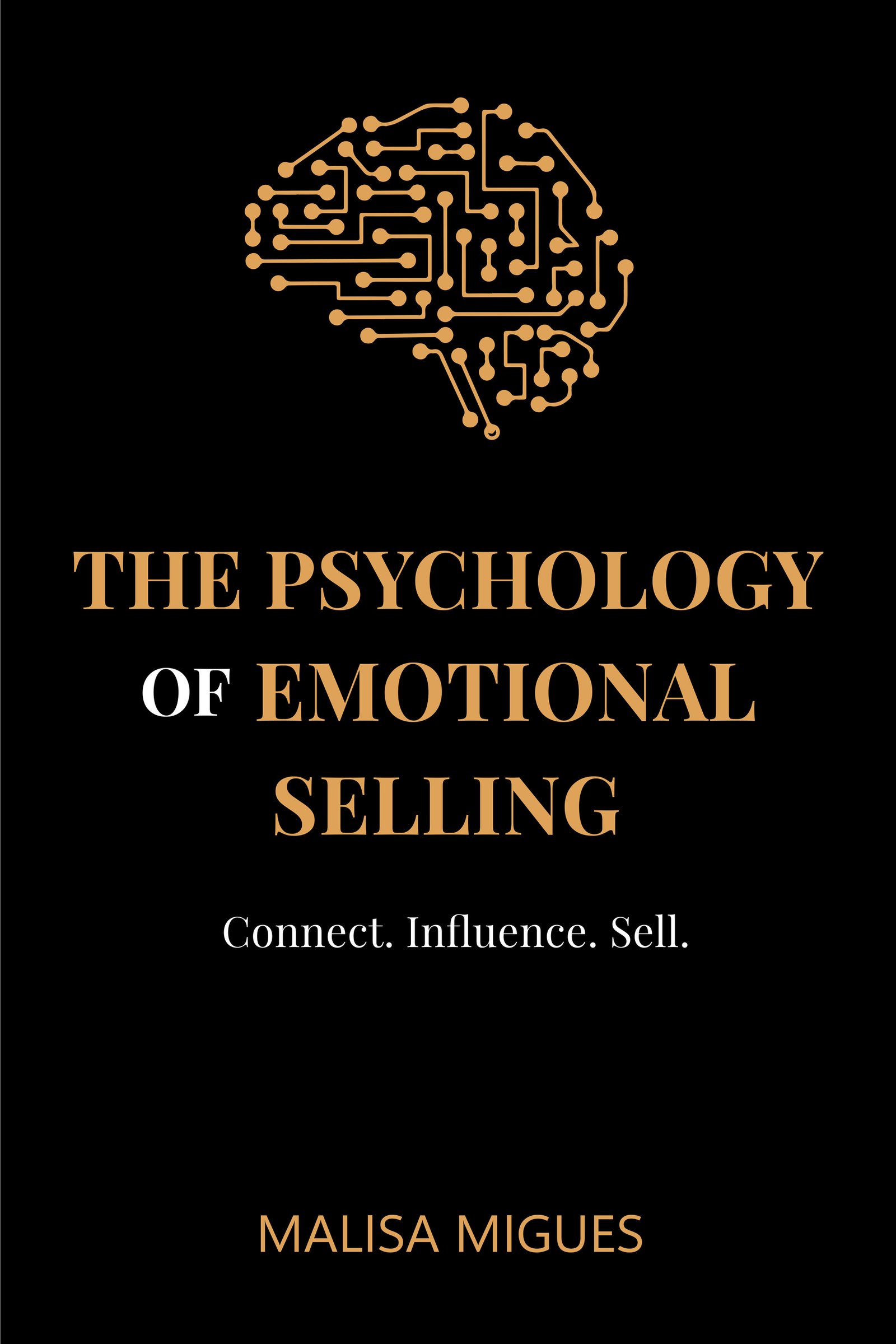
Explore these ideas more deeply in The Psychology of Emotional Selling by Malisa Migues.
Discover more about Malisa Migues and her work at malisamigues.com.
Written by
Malisa Migues
Author · Voice Artist · Communication Professional
Explore more from Malisa Migues
English
Connect. Influence. Sell.
Continue the journey — from the voice that persuades to the words that connect. A book to deepen everything you read here.
Keep Reading
Sales Psychology
Selling is rarely about logic. It is about feeling. Understanding the emotional drivers behind a decision is what turns a pitch into a conversation someone wants to say yes to.
Read MoreSales Psychology
The decision is emotional; the explanation is rational. Understanding this gap is the key to speaking to the part of your customer that actually decides.
Read More